
Views: 0 Author: Site Editor Publish Time: 2025-09-11 Origin: Site


Water dispensers offer convenient, on-demand cold water at the touch of a button. Whether at home, in the office, or in public spaces, they make staying hydrated easy. But have you ever wondered how a water dispenser cools water so efficiently?
In this article, we’ll explore the technology behind water dispensers. You’ll learn about the cooling systems, key components, and the benefits of using these systems in everyday life. By the end, you’ll know exactly how a water dispenser works to provide you with chilled water at any time.
The process of cooling water in a dispenser typically relies on one of two methods: compressor-based refrigeration or thermoelectric cooling. Both mechanisms aim to reduce the water's temperature efficiently while maintaining ease of use.
In a compressor-based system, the refrigerant absorbs heat from the water in the cooling tank, ensuring that the water remains chilled at all times. On the other hand, a thermoelectric system works by passing an electrical current through two different conductors to create a temperature difference. The result is one side cooling down the water, while the other side expels heat.
Both systems have their advantages depending on the model and intended usage, but they all ensure that you can enjoy cold water whenever you need it.
A compressor cooling system works in a similar way to a household refrigerator. It uses refrigerant gas, which is compressed and passed through coils surrounding the water reservoir. As the refrigerant expands, it absorbs the heat from the water, lowering its temperature.
This process is highly effective for maintaining a consistent, cold temperature, making compressor-based systems ideal for larger, high-demand environments like offices or schools. They are especially suited for units that need to deliver cold water consistently throughout the day.
Advantages of compressor-based systems:
● High cooling capacity: Can cool large amounts of water quickly.
● Consistent cold water: Maintains a stable water temperature.
● Durable: Works well for environments with high water consumption.
The Peltier effect is the basis of thermoelectric cooling systems, which use an electric current to create a temperature difference. In this process, one side of the system absorbs heat and cools the water, while the other side releases that heat into the environment.
Thermoelectric cooling systems are quieter and require less energy than compressor-based systems. However, they may not cool as efficiently, especially in larger dispensers. These systems are typically used in smaller, residential models or environments with lower water demand.
Advantages of thermoelectric systems:
● Quieter operation: No moving parts.
● Energy-efficient: Requires less power to operate.
● Compact: Suitable for smaller units.
The cooling tank is the heart of any water dispenser, where water is stored and cooled. In compressor-based dispensers, the tank is surrounded by coils that cool the water via refrigerant. In thermoelectric systems, the water passes through the cooling elements, lowering its temperature as it moves through the system.
The water replenishment process is equally important. As water is dispensed, new water is fed into the tank to replace it, ensuring that there's always cold water available.
Key points about the cooling tank:
● Holds the water at a desired temperature.
● In some models, it automatically replenishes water to maintain consistent coldness.
In compressor-based systems, refrigerant is the substance that absorbs heat from the water. The refrigerant flows through a closed system of coils, absorbing heat and carrying it away from the water. The compressor is responsible for pressurizing the refrigerant and forcing it through the system.
Once the refrigerant absorbs heat, it moves into the condenser, where it cools and changes back into a liquid state. The process repeats, ensuring that the water in the tank remains cool.
How the refrigerant and compressor work:
● Refrigerant absorbs heat from the water in the cooling tank.
● The compressor moves the refrigerant through the coils, maintaining a consistent temperature.
A thermostat in water dispensers regulates the temperature of the water by controlling when the compressor turns on and off. When the water gets too warm, the thermostat activates the compressor to cool it back down. This system ensures energy efficiency and that water remains cold without unnecessary power consumption.
Benefits of thermostat control:
● Energy efficiency: The system runs only when needed.
● Consistent cold water: Maintains the desired temperature for optimal hydration.
Bottled water dispensers are often smaller units that rely on a thermoelectric cooling system. The water is stored in large bottles that sit atop the dispenser, and as you dispense water, the system cools it. While the thermoelectric system offers a quieter operation, it may not be as efficient in maintaining consistent cold temperatures compared to compressor-based systems.
Advantages of bottled dispensers:
● Compact and portable.
● Quiet operation due to thermoelectric cooling.
● Ideal for home or small office use.
Bottleless water dispensers are connected directly to a water line and feature advanced filtration systems. These dispensers usually rely on compressor-based cooling, ensuring more efficient and faster cooling. Bottleless units are perfect for larger environments, such as offices or schools, where the demand for water is higher.
Advantages of bottleless dispensers:
● Continuous water supply without the need for regular bottle replacement.
● Higher cooling efficiency due to compressor-based systems.
● More eco-friendly by eliminating plastic waste.
Bottled dispensers tend to use thermoelectric cooling and are suited for smaller spaces or less frequent use. However, their cooling efficiency is typically lower compared to bottleless systems that utilize compressor-based cooling.
Feature | Bottled Dispensers | Bottleless Dispensers |
Cooling Method | Thermoelectric | Compressor-based |
Ideal Environment | Small homes or offices | Larger offices or schools |
Water Supply | Replaced via bottled water | Continuous supply via water line |
Cooling Efficiency | Less efficient | More efficient |
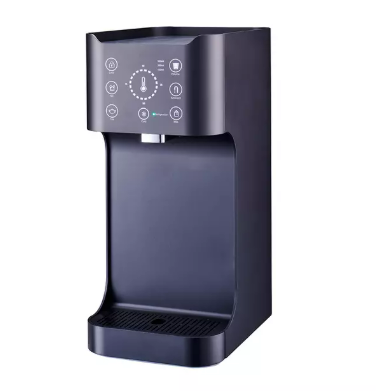
When a water dispenser is first turned on, it can take 1 to 3 hours for the water to cool down fully, depending on the size of the unit and the type of cooling mechanism used. Factors such as room temperature, water reservoir size, and cooling system type influence how quickly the water reaches its ideal cold temperature.
Key factors affecting cooling time:
● Type of cooling system (compressor or thermoelectric).
● Size of the unit.
● Ambient temperature.
Once the water reaches the desired temperature, dispensers are designed to maintain that temperature consistently. Insulation and continuous cooling cycles allow dispensers to keep water cold, even when several users dispense water throughout the day.
How dispensers maintain cold water:
● Insulated tanks help maintain cold water temperatures.
● Continuous cooling keeps the water at a stable, chilled temperature.
Having a water dispenser ensures that cold water is available on demand, eliminating the need to wait for water to chill in the fridge or carry heavy water bottles. This convenience is especially useful in busy households or office environments.
Advantages of cold water dispensers:
● Instant access to chilled water.
● No need for bottled water or extra refrigeration.
Cold water is often more refreshing and easier to drink, encouraging people to stay hydrated. With easy access to cold water, you can help promote healthier hydration habits in your home or office.
Health benefits:
● Encourages better hydration habits.
● Ideal for hot weather when people prefer cold drinks.
Using a water dispenser can reduce your reliance on single-use plastic bottles, contributing to environmental sustainability. Additionally, energy-efficient models help reduce electricity consumption, making them a cost-effective long-term solution.
Sustainability advantages:
● Reduces plastic waste by eliminating bottled water.
● Lower energy consumption with modern, energy-efficient systems.
Regular maintenance is crucial for ensuring your water dispenser functions efficiently. Clean both the internal and external components to prevent mineral build-up and maintain optimal cooling performance. Descaling should be done as per the manufacturer’s instructions to prevent clogging and ensure proper water flow.
If your dispenser isn’t cooling effectively, check for common issues such as a faulty thermostat, blocked coils, or a power supply problem. Regularly inspecting your unit can help identify issues early and keep it running smoothly.
If you notice persistent cooling issues or your unit is malfunctioning despite regular maintenance, it may be time to call a professional. They can diagnose and repair more complex problems, ensuring your unit’s longevity and continued performance.
Water dispensers provide easy access to cold water at any time. By understanding the cooling mechanisms, components, and maintenance needs, you can maximize the efficiency of your unit. Whether choosing a bottled or bottleless model, the right system ensures hydration and sustainability. QingQing offers innovative water dispensers that combine convenience, energy efficiency, and superior cooling technology, making them a valuable addition to any space.
A: A water dispenser cools water using either a compressor-based system or thermoelectric cooling. The compressor absorbs heat from the water, while the thermoelectric system uses electrical currents to cool it.
A: Water dispensers typically use either compressor-based or thermoelectric cooling mechanisms. Both are designed to cool water quickly and efficiently, ensuring cold water is available on demand.
A: A compressor-based water dispenser uses refrigerant to absorb heat from the water. The refrigerant travels through coils, cooling the water, and keeping it at a desired low temperature.
A: A thermoelectric water dispenser uses the Peltier effect to create a temperature difference. This cooling method is quieter and energy-efficient but is generally better suited for smaller units.
A: A water dispenser provides easy access to cold water, encourages hydration, and eliminates the need for bottled water, making it a more sustainable and cost-effective choice.
A: If your water dispenser isn't cooling, check for issues like a malfunctioning thermostat, blocked coils, or low refrigerant levels. Regular maintenance can help ensure proper cooling.


