
Views: 0 Author: Site Editor Publish Time: 2025-09-12 Origin: Site


You might think your water dispenser always provides clean water, but that's not always the case. While convenient, these dispensers can become breeding grounds for harmful bacteria and mold. In this article, we'll explore why regular cleaning of your water dispenser and ice machine is essential for your health. You'll learn how neglecting maintenance can lead to contamination and illness.
Water dispensers are designed to hold and cool water, which can create a perfect environment for bacteria and mold growth. These microbes thrive in moist, stagnant conditions, especially if water sits in the dispenser for long periods without being refreshed. When dispensers aren't cleaned regularly, the water reservoir and internal pipes become hotspots for microbial growth, potentially contaminating your water supply.
Standing water in a dispenser provides a perfect habitat for biofilm formation, a slimy layer of bacteria and mold that can coat the interior surfaces. Biofilms are tough to remove and can lead to an unpleasant taste and smell in the water. If left unchecked, this contamination can even spread to the dispenser’s nozzle and spout, affecting the water you drink.
Drinking contaminated water from an unclean dispenser poses several health risks. Bacteria, mold, and other pathogens can cause gastrointestinal issues, nausea, vomiting, and even more severe conditions if left untreated. Some of the most common illnesses linked to unclean dispensers include:
● Foodborne illnesses: Caused by bacteria like E. coli, Salmonella, or Campylobacter.
● Gastrointestinal problems: Including diarrhea, stomach cramps, and nausea.
● Respiratory issues: Mold exposure can lead to respiratory problems, especially in individuals with allergies.
By maintaining a clean water dispenser, you can reduce the chances of these health risks and ensure the water you drink is pure and safe.
Just like water dispensers, ice machines can accumulate bacteria and mold. Ice is often assumed to be safe because it’s frozen, but that doesn’t eliminate the possibility of contamination. If the water used in the ice maker is not clean or the machine itself is neglected, ice can become contaminated.
Ice machines often have water reservoirs, pipes, and storage bins that can harbor bacteria if not cleaned regularly. Unlike water dispensers, ice machines also need to have their ice bins cleaned frequently to prevent mold growth and bad odors.
While water dispensers and ice machines both cool water, they have different cleaning requirements. For instance, water dispensers often require cleaning of internal pipes, while ice machines need to be cleaned from the ice production mechanism and the storage bin. Both need regular attention to ensure they remain safe for consumption.
The frequency of cleaning your water dispenser and ice machine depends on how often they’re used. A general guideline is:
● Water dispensers: Clean every 1-3 months, especially in high-traffic areas like offices or schools.
● Ice machines: Clean every 1-2 months to prevent mold and bacteria build-up in the ice bin and water system.
However, if your dispenser or ice maker is used more frequently, it may require cleaning more often. Regular maintenance ensures these systems continue to operate efficiently and safely.
How do you know when it’s time to clean your dispenser or ice machine? Look out for these signs:
Signs | What it Means |
Strange odors | Bacteria or mold buildup inside the unit. |
Bad taste in the water | Possible contamination in the internal pipes. |
Visible mold or slime | Indicates microbial growth inside the reservoir or nozzle. |
Slow water dispensing | A sign that there’s a clog or buildup of contaminants. |
Ice that smells or tastes off | Indicates mold or bacteria in the ice machine’s storage bin. |
If you notice any of these issues, it’s time to clean the appliance.
Several factors can affect how often you need to clean your water dispenser and ice machine:
● Environmental conditions: High humidity or warm temperatures can promote microbial growth.
● Water quality: If your water is hard or has high mineral content, it can build up inside the dispenser and ice machine.
● Usage: Frequent use of the dispenser or ice machine can lead to quicker buildup of contaminants.
Keep an eye on these factors to determine if your cleaning schedule needs to be adjusted.
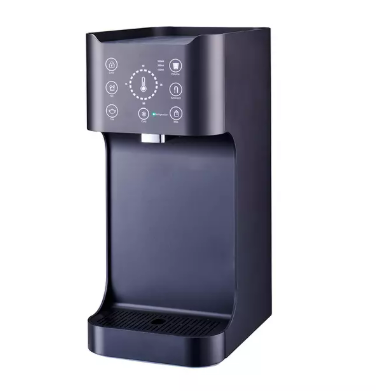
To clean your water dispenser, gather the following tools and supplies:
● Mild soap: For cleaning external parts.
● Vinegar: To disinfect the water reservoir and pipes.
● Water filter cleaner: For cleaning the filter (if applicable).
● Cloth or sponge: For wiping down surfaces.
● Rubber gloves: For personal protection during cleaning.
With these supplies, you can tackle both external and internal cleaning of your water dispenser.
Unplug the dispenser: Safety first. Disconnect the appliance from the power source.
Empty the reservoir: Drain any water in the tank and dispose of it.
Clean the inside: Mix a cleaning solution of equal parts water and vinegar. Pour it into the reservoir and let it sit for 15-20 minutes.
Scrub the pipes: Use a long brush to gently scrub the internal pipes, making sure to remove any accumulated slime or debris.
Rinse thoroughly: Once you’ve scrubbed the interior, rinse with clean water to remove any cleaning solution or debris.
Dry the unit: Wipe down the interior with a clean cloth to ensure no moisture remains.
To clean the external parts, follow these simple steps:
Wipe down the exterior: Use a mild soap solution and a cloth to clean the buttons, drip trays, and surrounding areas.
Sanitize the nozzle: Use a disinfectant wipe or cloth to clean the spout where the water is dispensed.
Check the drip tray: Remove the tray and wash it with warm, soapy water to prevent mold buildup.
By keeping the exterior clean, you ensure that your water dispenser remains hygienic and ready for use.
Most modern water dispensers are equipped with filters that help purify the water before it’s dispensed. However, filters can become clogged with minerals and contaminants over time, reducing their effectiveness. To maintain water quality, replace the filter according to the manufacturer's recommendations—usually every 6 months.
There are a few simple habits you can adopt to prevent contamination in your water dispenser:
● Use sealed water containers: Ensure the water bottle or jug you place on your dispenser is sealed properly to prevent dust and contaminants from entering.
● Avoid touching the nozzle: Prevent contamination by not touching the nozzle or dispenser spout directly.
● Store water properly: Keep the water in a cool, dry area to reduce the growth of bacteria or mold.
The placement of your water dispenser matters. Avoid placing it near heat sources, windows, or areas with high dust levels. A clean, dry, and shaded location helps reduce exposure to contaminants and keeps your dispenser working optimally.
Ice makers require a more in-depth cleaning process compared to water dispensers. Focus on the following areas:
● Water reservoir: Clean the internal reservoir with a vinegar solution to remove any buildup.
● Dispensing mechanism: Use a soft brush to clean the ice dispensing chute and ensure it’s free of debris.
● Ice mold: Clean the ice mold or tray regularly to prevent bacteria buildup.
Ice bins are particularly prone to contamination due to the moisture they retain. Clean them regularly by:
Emptying the ice bin.
Scrubbing the inside with a vinegar-water solution.
. Allowing it to dry completely before refilling with fresh ice.
If your ice machine is producing dirty or slow ice, there could be a few causes:
● Dirty water lines: These need to be cleaned to ensure clean ice.
● Clogged filter: Replace the filter regularly to maintain ice quality.
● Mold or bacteria: Regular cleaning prevents the growth of mold in the ice-making components.
Regularly cleaning your water dispenser ensures that the water remains free from harmful contaminants, such as bacteria, mold, and mineral buildup. Clean water is essential for maintaining proper hydration, promoting good digestion, and supporting overall health. Proper hydration also boosts energy levels and enhances cognitive function, keeping you refreshed throughout the day.
Contaminated water from an unclean dispenser can lead to serious health problems, including gastrointestinal illnesses and respiratory issues. Bacteria like E. coli and Salmonella, as well as mold growth, can thrive in dispensers that aren’t cleaned regularly. By maintaining a clean dispenser, you lower the chances of exposure to these harmful pathogens and safeguard your health.
A dirty water dispenser can drastically affect the taste and smell of your water and ice, making it unappealing. Over time, biofilms and mold can develop inside the dispenser, leading to unpleasant odors and a metallic or stale taste. Regular cleaning ensures that the water remains fresh, clean, and enjoyable to drink, promoting better hydration habits.
High-quality water dispensers come with advanced filtration systems, such as reverse osmosis and carbon filters, which effectively remove contaminants like chlorine, lead, and bacteria. These filtration systems help ensure that the water you consume is pure, improving both taste and safety. Clean, filtered water is an essential part of a healthy lifestyle.Energy
Modern water dispensers are designed with energy-efficient technologies that minimize electricity usage while maintaining performance. Features like low power consumption and eco-friendly components help lower your energy bills and reduce environmental impact. A sustainable water dispenser reduces waste, as it minimizes the need for single-use plastic bottles.
Investing in a high-quality water dispenser ensures long-lasting durability, which means fewer repairs and replacements over time. These dispensers are designed for easy maintenance, offering a reliable solution for both home and office environments. With proper care, a high-quality water dispenser can provide years of consistent performance and health benefits, making it a cost-effective choice in the long run.
Regular cleaning of your water dispenser and ice maker is essential for safe, refreshing water. It reduces the risk of illness, improves taste, and enhances performance. By maintaining these systems, you ensure both health and convenience. QingQing offers high-quality water dispensers designed for easy maintenance and long-term reliability, helping you stay hydrated with peace of mind.
A: Regular water dispenser cleaning helps prevent bacteria and mold build-up, ensuring safe and fresh drinking water.
A: You should clean your ice dispenser at least once a month to maintain cleanliness and prevent contamination.
A: Neglecting water dispenser cleaning can lead to bacterial growth, bad-tasting water, and potential health risks.
A: To clean a water dispenser, unplug it, empty the reservoir, and clean with a mild detergent or vinegar solution.
A: Yes, unclean ice machines can introduce contaminants, making both the ice and water taste unpleasant.


