
Views: 0 Author: Site Editor Publish Time: 2025-09-11 Origin: Site


Clean water is crucial for good health, yet many rely on bottled water or complex filtration systems. Reverse osmosis (RO) stands as one of the most efficient ways to purify water, especially in water dispensers. This article will explain how reverse osmosis works, its benefits, and why it’s often integrated into modern water dispensers to ensure easy access to purified water.
Reverse osmosis (RO) is a water filtration method that uses a semipermeable membrane to remove impurities from water. It works by applying pressure to push water through the membrane, allowing only water molecules to pass while blocking larger molecules, salts, heavy metals, and microorganisms.
The main benefit of RO is its ability to purify water by filtering out a wide range of contaminants. These include harmful substances such as chlorine, fluoride, lead, and other toxic compounds that may be present in tap water. As a result, RO systems provide water that is not only cleaner but also healthier.
● RO Membrane: The core of the system, responsible for filtering out contaminants like heavy metals, salts, and harmful microorganisms.
● Pre-filters: Remove larger particles, such as sediment, chlorine, and other impurities, before the water reaches the RO membrane.
● Post-filters: Further purify the water after it passes through the RO membrane, removing any remaining trace contaminants.
● Storage Tank: Stores the purified water until needed. Some systems allow water to be dispensed directly from the unit.
This multi-stage filtration process ensures that the water is free of harmful chemicals and microorganisms, providing a pure and safe drinking solution.
Reverse osmosis involves a series of stages that purify water step-by-step.
Pre-filtration:
Water first passes through pre-filters that remove large particles like dirt, sediment, and chlorine. This stage is critical because it helps prevent the RO membrane from becoming clogged with larger impurities, allowing it to function effectively.
RO Membrane Filtration:
After pre-filtration, pressure is applied to force the water through the RO membrane. The membrane acts as a barrier, allowing only water molecules to pass while blocking contaminants like salts, bacteria, and heavy metals. This filtration stage removes the majority of harmful substances in the water.
Post-filtration:
After the water has passed through the RO membrane, it undergoes further purification through post-filters. These filters remove any remaining impurities or odors, ensuring the water is fresh and clean.
Water Dispensing or Storage:
The purified water is stored in a tank or dispensed directly from the system. Some RO water dispensers are designed to offer continuous filtration, providing a constant supply of purified water without the need for a storage tank.
This multi-step process ensures that the water is as pure as possible, making it safe to drink and free from harmful contaminants.
Integrating reverse osmosis into water dispensers offers a variety of benefits. It provides cleaner, healthier water and adds convenience and cost-effectiveness to your daily life.
One of the primary benefits of reverse osmosis is its ability to remove harmful contaminants, such as chlorine, fluoride, heavy metals, and bacteria. By eliminating these substances, RO water dispensers ensure that you’re drinking water that is safer and healthier. Moreover, the purification process also improves the taste and odor of water, making it more enjoyable to drink.
Water dispensers equipped with reverse osmosis systems provide instant access to purified water. There’s no need to wait for water to cool or for bottled water to be delivered. These systems are designed to give you purified water at the push of a button, making them perfect for homes, offices, or commercial spaces.
While the initial cost of an RO system may be higher than purchasing bottled water, it offers significant savings in the long run. Once the system is installed, you won’t need to buy bottled water anymore, reducing both ongoing expenses and plastic waste. RO dispensers provide a more economical and environmentally friendly solution for water purification.
Benefit | Reverse Osmosis Water Dispenser | Bottled Water |
Water Quality | Removes contaminants like chlorine, fluoride, heavy metals | Varies, may contain contaminants |
Convenience | Instant access to purified water | Dependent on delivery schedules |
Cost | Low operational cost after setup | Ongoing costs for bottled water |
Environmental Impact | Reduces plastic waste | Contributes to plastic waste |
There are various types of water dispensers that incorporate reverse osmosis filtration. Choosing the right type depends on factors like available space, water consumption, and preference for bottleless or traditional bottled systems.
Bottleless dispensers connect directly to the water line, offering a continuous supply of purified water without the need for large bottles. These dispensers are perfect for high-traffic areas, such as offices, commercial spaces, or public facilities. Since they are connected to a water source, they ensure a constant flow of clean water.
Compact and space-saving, countertop water dispensers are ideal for smaller spaces like homes or small offices. These dispensers connect to the water supply and often include built-in reverse osmosis filtration systems. They provide purified water without taking up much room, making them perfect for those who want clean water in a space-efficient design.
Freestanding water dispensers are larger units designed to handle higher water consumption. These dispensers provide both hot and cold water options, making them suitable for larger offices, break rooms, or homes. Freestanding dispensers with reverse osmosis filtration are connected to the water line, providing a higher volume of filtered water and making them ideal for busy environments.
Hybrid dispensers combine reverse osmosis with additional filtration technologies, such as UV purification or carbonation. These systems provide extra features, like sparkling water or enhanced filtration, to cater to consumers looking for versatile solutions and premium quality water.
Type | Description | Best For |
Bottleless Dispensers | Connects to the water supply for continuous purified water. | High-traffic areas, offices, public spaces |
Countertop Dispensers | Compact, space-saving design that fits in small spaces like homes and small offices. | Homes, small offices, apartments |
Freestanding Dispensers | Larger units providing both hot and cold water, connected to a water line. | Larger offices, break rooms, homes |
Hybrid Systems | Combines RO with other technologies like UV or carbonation for customized filtration. | Premium users, versatility seekers |
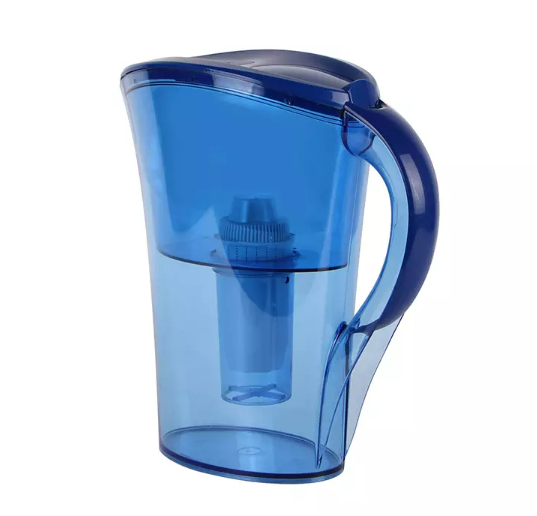
To ensure your reverse osmosis system works at peak performance, regular maintenance is necessary. Proper upkeep ensures high water quality and helps the system last longer.
Over time, the filters in your RO system can become clogged with contaminants. To keep the system functioning efficiently, replace pre-filters every 6-12 months, post-filters annually, and the RO membrane every 2-3 years. Regular maintenance is key to optimal water purification.
Common issues include reduced water flow or poor water quality, which may indicate clogged filters, low water pressure, or a malfunctioning RO membrane. Periodically check the system for these issues and replace parts as needed.
The RO membrane is the heart of the system. If it becomes clogged or damaged, the filtration process will be less effective. It’s essential to replace the membrane every 2-3 years to maintain the quality of the water.
Switching to a reverse osmosis water dispenser offers several environmental benefits. By reducing plastic waste and improving water purification efficiency, RO dispensers contribute to a more sustainable future.
By using a reverse osmosis system, you eliminate the need for bottled water, reducing plastic waste and promoting a cleaner environment. This is an important step in reducing the overall environmental footprint.
Modern RO systems are designed to be energy-efficient, meaning they require less power to operate compared to older systems. They provide purified water at a low operational cost while having minimal impact on the environment.
While the initial investment in an RO water dispenser may be higher, the long-term savings are substantial. Here's how the costs compare:
Cost Factor | RO Water Dispenser | Bottled Water |
Upfront Cost | Moderate to high (one-time) | Low to moderate (recurrent) |
Operational Cost | Low (filter replacement only) | High (constant bottle purchases) |
Long-term Savings | Significant savings over time | Ongoing costs |
An RO water dispenser eliminates the need for bottled water, offering long-term cost savings and a more eco-friendly solution.
Reverse osmosis is an effective and reliable method for purifying water. With its ability to provide cleaner, healthier water, reduce costs, and promote environmental sustainability, RO dispensers are ideal for both homes and businesses. Investing in an RO water dispenser eliminates the need for bottled water, making it a convenient and eco-friendly solution for daily hydration. For those looking to upgrade their water systems, QingQing offers high-quality RO water dispensers that provide long-term value and minimal maintenance, ensuring purified water whenever you need it.
A: A reverse osmosis (RO) system is a water filtration process that uses a semipermeable membrane to remove impurities from water, providing cleaner and healthier drinking water.
A: Water passes through pre-filters, then pressure forces it through an RO membrane that separates contaminants from pure water, followed by post-filtration before dispensing clean water.
A: A water dispenser with reverse osmosis ensures access to purified water, free from harmful substances like chlorine, fluoride, and heavy metals, making it ideal for both health and convenience.
A: Reverse osmosis water provides cleaner, healthier drinking water by removing harmful contaminants, improving water taste, and reducing reliance on bottled water.
A: Pre-filters should be replaced every 6-12 months, post-filters annually, and the RO membrane every 2-3 years, depending on usage and water quality.
A: Yes, reverse osmosis systems can be integrated into various water dispensers, such as bottleless, countertop, or freestanding units, depending on your space and water usage needs.
A: The initial cost of an RO water dispenser can vary, but it saves money in the long term by eliminating the need for bottled water, making it a cost-effective solution over time.


