
Views: 0 Author: Site Editor Publish Time: 2025-08-19 Origin: Site


Water is essential for life, yet not all sources are safe to drink. Contaminated water can lead to serious health issues. Understanding water purification methods is crucial for ensuring safe drinking water. In this post, you'll learn about various techniques, including boiling, chlorination, distillation, and using commercial water purifiers, to effectively purify water and protect your health.
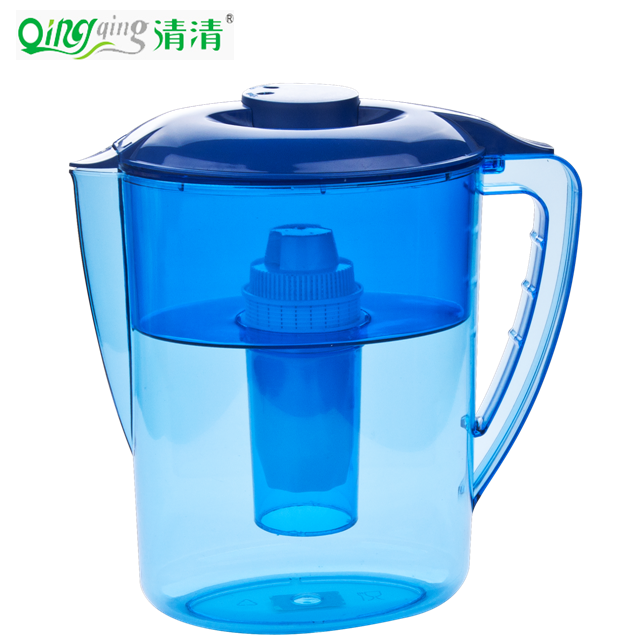
Boiling water is one of the oldest and most reliable methods to purify water. When water reaches a rolling boil, the high temperature kills most harmful microorganisms, including bacteria, viruses, and parasites. These microbes cannot survive the heat, making boiled water safe to drink. This method is especially useful in emergencies or when you lack access to advanced water purification systems for home use.
To ensure water is properly purified by boiling, follow these simple steps:
Use a clean pot or kettle to avoid recontaminating the water.
Bring the water to a rolling boil where bubbles vigorously rise to the surface.
Maintain the boil for at least one full minute. At higher altitudes, boil for three minutes.
Allow the water to cool naturally without adding ice or other substances.
Store the boiled water in a clean, covered container to prevent contamination.
Boiling is effective for killing microbes but does not remove chemical contaminants or impurities like heavy metals or fluoride. For comprehensive water purification, combining boiling with a water filter system for home use or a water purification filter is advisable.
While boiling is effective at microbial disinfection, it has several limitations:
It does not remove chemical pollutants such as pesticides, heavy metals, or fluoride.
Boiling requires fuel or electricity, which might not be available during emergencies.
The taste of boiled water can be flat due to oxygen loss.
It may not be practical for purifying large volumes of water, such as for whole house water purification systems.
For households relying on well water or uncertain about chemical contamination, integrating boiling with other water purification systems, like reverse osmosis water purification systems or water filters designed to remove fluoride, can provide safer drinking water. Many modern water purifiers combine filtration and purification to address multiple contaminants efficiently.
Tip: For optimal home drinking water filtration, boil water first to kill microbes, then use a water filter and purifier to remove chemical contaminants and improve taste.
Chlorination is a widely used method to disinfect water by killing harmful microorganisms. It involves adding a small amount of chlorine or chlorine-based compounds, such as household bleach, to water. The chlorine penetrates the cell walls of bacteria, viruses, and parasites, destroying their ability to function and reproduce. This method is especially useful for treating water from uncertain sources, including well water, when you need a quick and effective solution.
Household bleach used for chlorination should contain 5.25% to 6.0% sodium hypochlorite without additives like fragrances or cleaners. When added correctly, it acts as a powerful disinfectant that can complement other water purification systems for home use, such as water filter systems designed to remove chemical contaminants.
To safely chlorinate water using household bleach, follow these steps:
Use only regular, unscented household bleach with 5.25% to 6.0% sodium hypochlorite.
Add 1/8 teaspoon (about 8 drops) of bleach per gallon of clear water. If the water is cloudy, double the amount.
Stir the water well and let it stand for at least 30 minutes.
After 30 minutes, check for a slight chlorine smell. If you don’t detect it, repeat the dosage and let it stand for another 15 minutes.
If the water still lacks a chlorine odor, discard it and find another water source.
This method is practical for emergency water purification and can be used alongside a drinking water filter system for home to improve safety. However, chlorination does not remove physical impurities or chemical contaminants such as fluoride or heavy metals.
| Pros | Cons |
|---|---|
| Kills bacteria, viruses, and parasites effectively | Does not remove chemical pollutants or sediments |
| Easy to use and inexpensive | Chlorine taste and odor may be unpleasant |
| Suitable for treating large volumes | Requires careful measurement to avoid overdose |
| Can be combined with water filters and purifiers | Not effective against some protozoan cysts like Cryptosporidium |
For households using well water or looking for the best whole house water filter system, chlorination can serve as a valuable disinfection step. Pairing it with water purification filters or reverse osmosis water purification systems enhances overall water quality by addressing both microbial and chemical contaminants.
Tip: When using chlorination as part of your home drinking water filtration routine, always follow dosage guidelines carefully and consider combining it with a water filter and purifier to remove residual chemicals and improve taste.
Distillation is one of the most thorough methods of water purification. Unlike boiling or chlorination, distillation removes not only harmful microbes but also heavy metals, salts, and many chemical contaminants. The process involves heating water until it vaporizes, then collecting and condensing the vapor back into liquid form. Since impurities like salts and metals do not vaporize, they remain behind, resulting in very pure water.
This method is especially useful when you need to ensure the removal of tough contaminants that typical water purification systems for home use might miss. Distillation can be combined with other technologies, such as reverse osmosis water purification systems, to achieve comprehensive water treatment.
Distilling water at home can be done with simple kitchen tools. Here’s how:
Fill a large pot halfway with the water you want to purify.
Place a heat-resistant cup or bowl inside the pot, ensuring it floats and does not touch the bottom.
Invert the pot’s lid and place it on top. The lid should be curved downward to allow condensation to drip into the cup.
Heat the water until it boils, then let it simmer for about 20 minutes.
As steam rises, it will condense on the lid and drip into the cup.
Carefully remove the cup with the distilled water.
This distilled water is free from most contaminants, making it ideal for drinking or cooking. However, it’s important to clean the pot and lid before distillation to avoid contamination.
| Feature | Boiling | Chlorination | Distillation |
|---|---|---|---|
| Kills Microbes | Yes | Yes | Yes |
| Removes Heavy Metals | No | No | Yes |
| Removes Salts and Chemicals | No | No | Yes |
| Requires Electricity or Fuel | Yes | No | Yes |
| Suitable for Large Volumes | Limited | Yes | Limited |
Distillation stands out because it combines microbial disinfection with the removal of chemical contaminants. This makes it superior to basic boiling or chlorination when water purity is critical. However, it requires more time and energy, which might limit its use in emergencies or large-scale whole house water purification systems.
For households with well water or concerns about fluoride and heavy metals, distillation can be paired with a water filter system for home use or a water filter to remove fluoride for maximum safety. Some of the best water purification systems integrate multiple methods, including reverse osmosis water purification, to deliver clean, great-tasting water.
Tip: For thorough home drinking water filtration, consider distillation followed by a water filter and purifier to ensure removal of both microbes and chemical contaminants.
Commercial water purifiers come in various types, each designed to tackle specific contaminants. Some common options include:
Activated Carbon Filters: These remove chlorine, sediment, and organic compounds, improving taste and odor.
Reverse Osmosis (RO) Systems: Highly effective at removing dissolved salts, heavy metals, and many chemicals. RO water purification systems are popular for home use.
Ultraviolet (UV) Purifiers: Use UV light to kill bacteria and viruses without chemicals.
Ceramic Filters: Trap bacteria and sediments through fine pores.
Whole House Water Purification Systems: Installed at the main water entry point, these systems treat all water entering a home, ideal for well water or municipal supplies.
Water Filter Systems for Well Water: Designed specifically to handle challenges like iron, sulfur, and sediment common in well water.
Choosing between these depends on your water source and contaminants present.
Water purifiers use physical, chemical, or biological methods to clean water. For example:
Filtration: Removes particles and some microbes by passing water through porous materials.
Adsorption: Activated carbon filters trap chemicals and improve taste.
Reverse Osmosis: Forces water through a semi-permeable membrane, blocking impurities.
Disinfection: UV purifiers destroy microorganisms by damaging their DNA.
Many advanced water purification systems for home use combine these methods to ensure thorough cleaning. For instance, a drinking water filter system for home may include pre-filters, RO membranes, and UV treatment.
Selecting the best water purifier depends on several factors:
Water Quality: Test your water for contaminants like fluoride, heavy metals, bacteria, or sediments.
Water Source: Well water often requires specialized filters, while city water may need chlorine removal.
Capacity: Consider daily water usage; whole house water purification systems handle large volumes, while countertop units serve individual needs.
Budget: Advanced systems like reverse osmosis water purification systems cost more but offer comprehensive purification.
Maintenance: Check filter replacement frequency and ease of servicing.
For comprehensive home drinking water filtration, many homeowners prefer a combination of filtration and purification. For example, a water filter and purifier that removes fluoride and microbes ensures safer, better-tasting water.
Tip: When selecting a water purifier, test your water first to identify contaminants, then choose a system—such as a reverse osmosis water purification system or whole house water purification system—that targets those specific impurities effectively.
Solar disinfection, often called SODIS, uses the sun’s ultraviolet (UV) rays and heat to kill harmful microorganisms in water. This method is simple and cost-effective, making it ideal for areas without access to advanced water purification systems for home use.
Here’s how it works:
Fill clear plastic or glass bottles with water.
Place the bottles in direct sunlight for at least six hours. If the sky is cloudy, extend exposure to two days.
The UV rays damage the DNA of bacteria, viruses, and parasites, rendering them inactive.
The heat from the sun also helps to increase the water temperature, enhancing disinfection.
SODIS is especially useful for treating small quantities of water and can serve as a preliminary step before using a water filter system for home or a water purifier. However, it does not remove chemical contaminants or sediments.
Filtration physically removes particles, sediments, and many microbes from water. Various water purification filters are available, ranging from simple ceramic filters to sophisticated reverse osmosis water purification systems. Common filtration methods include:
Ceramic Filters: These trap bacteria and protozoa with tiny pores but may not remove viruses.
Activated Carbon Filters: They adsorb chlorine, organic chemicals, and improve taste. Many drinking water filter systems for home include activated carbon stages.
Reverse Osmosis Systems: These push water through a semi-permeable membrane, eliminating dissolved salts, heavy metals, fluoride, and many chemicals. Reverse osmosis water purification systems are among the best water purification systems for home use.
Gravity Filters: Portable and easy to use, they rely on gravity to push water through filter media, suitable for outdoor or emergency use.
For households relying on well water, a water filter system for well water can address specific issues like iron, sulfur, and sediment. Combining filtration with other purification methods ensures safer water.
| Method | Removes Microbes | Removes Chemicals | Removes Sediment | Suitable for Large Volume | Cost & Maintenance |
|---|---|---|---|---|---|
| Solar Disinfection (SODIS) | Yes (microbes) | No | No | No | Very low; requires sunlight |
| Ceramic Filtration | Yes (bacteria, protozoa) | No | Yes | Limited | Low; requires cleaning |
| Activated Carbon Filter | Partial (some microbes) | Yes (chemicals) | Yes | Moderate | Moderate; filter changes |
| Reverse Osmosis System | Yes | Yes | Yes | Yes | Higher; regular maintenance |
While solar disinfection is accessible and free, it’s best for small-scale use. Filtration methods, especially reverse osmosis water purification systems, provide comprehensive treatment and are ideal for whole house water purification systems or drinking water filter systems for home.
Integrating these alternative methods with boiling, chlorination, or distillation can enhance your home drinking water filtration strategy. For example, solar disinfection followed by filtration can improve both microbial safety and water clarity.
Tip: To maximize water safety, use solar disinfection to reduce microbes, then apply a water filter and purifier—like a reverse osmosis water purification system—to remove chemicals and sediments effectively.
Iodine tablets offer a practical emergency solution for water purification, especially when you lack access to boiling or commercial water purification systems for home use. These tablets release iodine, a strong disinfectant that kills bacteria, viruses, and some parasites. They are lightweight, portable, and easy to use, making them popular among campers and survivalists.
To use iodine tablets:
Follow the manufacturer’s instructions carefully for dosage.
Typically, one tablet treats about one liter of clear water.
Allow the water to sit for at least 30 minutes after adding the tablet.
If the water is cloudy or cold, increase the waiting time to 60 minutes.
Note that iodine does not remove chemical contaminants or sediments.
While iodine tablets effectively disinfect microbes, they do not filter out physical impurities or chemicals like fluoride. Combining iodine treatment with a water filter system for home use, such as a water purification filter or a water filter and purifier, can improve water quality further.
In emergencies, you might need to create a do-it-yourself (DIY) water filter when commercial water purification systems are unavailable. A simple homemade filter can reduce sediments and some contaminants, making water safer to treat with disinfection methods afterward.
A basic DIY water filter includes:
Container: Use a clean plastic bottle or bucket.
Filter Layers: Stack materials in this order:
Fine cloth or coffee filter (top layer to catch large debris)
Activated charcoal (removes odors and some chemicals)
Fine sand (traps small particles)
Coarse sand or gravel (supports upper layers and filters larger debris)
Pour water slowly through the filter, collecting the cleaner water at the bottom. This filtered water should then be boiled or treated with iodine tablets for microbial safety.
DIY filters are especially useful for pre-treating water from natural sources during emergencies. However, they do not replace professional water purification systems for home or whole house water purification systems, which provide more comprehensive contaminant removal.
Activated charcoal is a powerful component in many water purification filters. It works by adsorption, trapping chemicals, toxins, and impurities on its porous surface. This helps improve water taste and odor, and removes harmful substances such as chlorine and some pesticides.
In emergency water purification:
Activated charcoal can be added to DIY filters to enhance chemical removal.
Many commercial water purification systems for home include activated carbon stages.
It does not kill microbes but complements disinfection methods like boiling or iodine tablets.
Activated charcoal can also help reduce fluoride when combined with specialized water filters designed for that purpose.
Incorporating activated charcoal into your water purification strategy—whether through a water filter system for well water or a drinking water filter system for home—boosts overall water quality.
Tip: In emergencies, combine iodine tablets with a DIY filter containing activated charcoal to effectively disinfect and improve water quality when commercial water purifiers are unavailable.
Choosing the best water purification method depends on your needs and resources. Options include boiling, chlorination, distillation, and commercial purifiers. In emergencies, iodine tablets and DIY filters are useful. Ensuring access to clean water is vital. NINGBO QINGQING ENVIRONMENTAL PROTECTION ELECTRICAL CO.,LTD offers advanced water purification systems, providing comprehensive solutions for safe drinking water. Their products effectively remove contaminants, ensuring high-quality water for households.
A: A Water Purifier is a device that removes impurities from water through various methods like filtration, reverse osmosis, or UV treatment, ensuring safe drinking water.
A: A water filter system for home use effectively removes sediments, chlorine, and some chemicals, enhancing water taste and safety. For comprehensive purification, combine it with a water purifier.
A: Yes, a reverse osmosis water purification system can effectively remove fluoride, along with other dissolved salts and impurities, making it one of the best water purification systems.
A: Whole house water purification systems ensure all water entering your home is treated, addressing contaminants like sediments, chlorine, and microbes, ideal for well water or municipal supplies.
A: A water filter to remove fluoride ensures safer drinking water by eliminating excess fluoride, which can be harmful in large amounts, improving overall water quality.


