
Views: 0 Author: Site Editor Publish Time: 2025-08-14 Origin: Site


I hear this question a lot: Do I need a water purifier at home in Germany? From what I have seen, the drinking water in Germany tastes good. It also follows strict quality rules. I feel safe when I drink water from the kitchen tap. Still, some people want their water even cleaner. Some want to keep their appliances safe from hard water. Sometimes, taste or possible contaminants matter for families.
Tap water in Germany is very safe. It follows strict quality rules. Some people use filters for better taste. Others want extra protection.
Hard water has minerals like calcium and magnesium. This is common in Germany. Hard water can make limescale in appliances. It can also affect soap and hair.
Water filters can make water taste better. They remove things like chlorine and heavy metals. Filters also help protect appliances from damage.
Using a water purifier helps cut down plastic waste. It saves money compared to buying bottled water.
You should take care of your filter often. Pick the right system for your needs. This keeps your water clean and your home healthy.
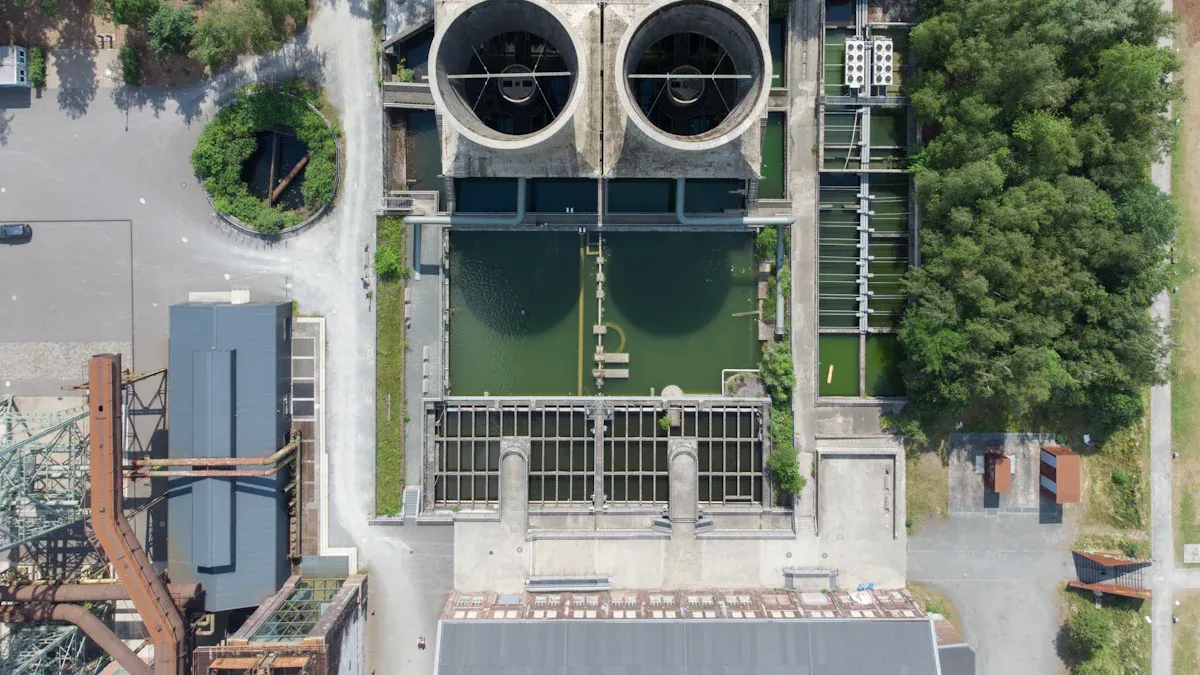
When I moved to Germany, I wondered if tap water was safe. I found out Germany has very strict rules for drinking water. These rules come from both German and EU laws. They make sure the water is clean and safe. Here’s a simple table that shows how these rules compare:
Aspect | EU Directive 2020/2184 | Germany's Drinking Water Ordinance (TrinkwV, 2023) |
|---|---|---|
Basis | Sets basic limits for germs and chemicals, checks risks, and controls materials | Uses EU rules but is stricter for some things, like Legionella. Covers cities, hospitals, public places, and private landlords |
Quality Parameters | Has limits for heavy metals, PFAS, microplastics, pesticides, and germs | Has even stricter limits for chemicals and germs, including Legionella and lead |
Monitoring & Reporting | More checking and reporting, and people can get info | Water suppliers must check and report, and keep people safe |
Implementation Timeline | Started in 2021, with changes until 2023 | New rules started in June 2023, matching EU deadlines |
Special Provisions | Checks risks in water sources and pipes, and materials touching water | Extra rules for cleaning, protecting, and what suppliers must do |
I feel good knowing my tap water follows these tough rules. The laws cover germs, chemicals, and even the pipes. Water companies test the water often and share results. If there is a problem, they must tell people fast. This focus on safety helps me trust the water.
Even with strong rules, people still worry about their water. Some common worries are:
Heavy metals like lead, copper, and nickel, which can come from old pipes. Some old homes and parts of West Berlin still have lead pipes.
Nitrate from farms, which can sometimes be too high.
Chemicals like PFOS and other pollutants, which can be found in small amounts.
Small traces of medicine, like antibiotics, and even drugs like cocaine, but these are usually very low.
Old pipes and recycling can add things you don’t want.
Some people notice a taste or smell from chlorine or minerals.
Hard water is also a small problem for many.
Tip: If you live in an old house or taste something strange, check your pipes or use a simple filter. Most of the time, the water is very good.
Even with these worries, I still drink tap water every day. I know it meets strict rules, but I get why some people like bottled water or extra filters.
The first time I washed my hair in Berlin, it felt different. That’s because a lot of Germany has hard water. Hard water means there are more minerals, like calcium and magnesium. Here’s a table showing how hard the water is in some cities:
City | Hardness (°dH) |
|---|---|
Wurzburg | 41 |
Erfurt | 30 |
Cologne | 22 |
Berlin | 19 |
Munich | 16 |
Most places in Germany have hard water. This changes some things at home. I see white spots on dishes and in the shower. My coffee machine needs cleaning more often. Hard water makes soap work less well and clothes feel stiff. It can also cause limescale in machines, so I use more energy to heat water and need special cleaners.
Hard water can make my scalp itchy and my hair less shiny.
Soap scum builds up faster in the bathroom.
Machines like kettles and washers get clogged with limescale.
Clothes can lose their color after washing.
Water stains show up on dishes and sinks.
I use vinegar or special cleaners to clean my machines. Some friends use water softeners or filters to help. Hard water is safe to drink, but it can make chores harder.
When I first drank tap water in Germany, it tasted different. Sometimes, I smelled chlorine or something odd. My friends said their water tasted different, too. The taste and smell of tap water change by location. Some places have hard water, so the water tastes like minerals. Other places use surface water, which can smell a little like chemicals.
People use water purifiers for better taste and smell for many reasons:
Chlorine cleans water but can make it taste or smell bad.
Chlorine byproducts sometimes make water taste strange.
Hard water minerals, like calcium and magnesium, change the flavor.
Rarely, things like MTBE from pollution can change the taste.
A simple water filter in my kitchen helped a lot. My coffee and tea tasted better. My family noticed the change, too. If you want fresh-tasting water, a filter can help. Many people use water purifiers just for this reason.
Tip: If your tap water tastes or smells weird, try a filter pitcher or faucet filter. You might notice a big difference.
German tap water is safe, but I sometimes worry about what is in it. Old pipes can add heavy metals like lead or copper. Farms near towns can let pesticides or fertilizers get into the water. Sometimes, I read about tiny amounts of medicine or chemicals in the news.
Here is a quick table showing what might be in tap water:
Contaminant Type | Where Found | Level Detected |
|---|---|---|
Heavy metals (lead, copper) | Old pipes in older homes | Can exceed safe limits locally |
Pesticides, fertilizers | Rural areas, near farms | Usually below safety limits |
Pharmaceuticals, sweeteners | Urban areas, water cycle | Very low (micrograms per liter) |
Microplastics | Most homes | Not detected |
Most contaminants are far below health limits. Still, I feel safer using a water purifier at home, especially in old buildings. A good filter can remove over 80 contaminants, like chlorine, heavy metals, and some microplastics. Families with kids or allergies often use filters for extra safety.
Note: Babies, pregnant women, and people with weak immune systems may need extra filtration. If you worry about health, ask your doctor about using a water filter.
Hard water is common in Germany. I see limescale on my kettle and coffee machine often. Limescale comes from minerals in hard water. It builds up inside appliances and makes them work harder. My washing machine and dishwasher need more cleaning. Sometimes, water pressure drops or machines use more energy.
Here is what I learned about protecting appliances:
Limescale covers heating parts in kettles, coffee machines, and boilers.
This makes appliances use more energy and break faster.
Pipes and nozzles can clog, causing low water flow and problems.
Cleaning helps, but a water purifier or softener can stop buildup.
I put a water filter with a softener in my kitchen. My appliances last longer, and I clean less. My dishes and clothes look better, too. Using a water purifier saves money and keeps my home working well.
Tip: If you see white spots on dishes or limescale in your kettle, try a water filter or softener. It can protect your appliances and make life easier.
When I started using a water filter in Germany, I wanted to know what it really did. I found out that each filter type removes different things from water. Here’s a table to show which filter works best for certain harmful things:
Filter Type | Contaminants Effectively Removed |
|---|---|
Reverse Osmosis (RO) | Heavy metals (lead, mercury, cadmium), pathogens (bacteria, viruses), minerals |
Activated Carbon | Chlorine, volatile organic compounds (VOCs), bad smells, makes water taste better |
UV Filters | Bacteria, viruses, other germs (kills them, does not remove them) |
Ion Exchange | Heavy metals (lead, mercury) by swapping ions |
Multi-Layer Filtration | Removes many things like chlorine, heavy metals, microplastics, organic stuff, PFAS, medicine leftovers, toxins |
At home, I use a pitcher with activated carbon. It makes my water taste better and takes out chlorine. If you want cleaner water and more safety, try a multi-layer filter or reverse osmosis. I feel safer drinking this water, especially if I live in an old house.
People often ask if purified water is bad for you. They also ask if you can drink it every day. I wondered about this too. Tap water in Germany has minerals like calcium and magnesium. These minerals make water hard but are good for your body. When I use a filter, it lowers calcium and magnesium. This makes the water softer, but I lose some minerals.
Calcium in water helps bones stay strong.
Magnesium is good for your heart and muscles.
Filters like Brita lower limescale, which helps machines but also means less minerals.
Some studies say drinking water with fewer minerals can be risky. For example, low calcium and magnesium might cause heart or bone problems. Pregnant women need enough minerals for themselves and their babies. Soft water can also take minerals out of food when you cook. I try to eat foods with lots of minerals to make up for it.
People also ask about purified, distilled, or spring water. Distilled water has almost no minerals. Purified water takes out most bad stuff but keeps some minerals. Spring water usually has natural minerals. I like spring water for taste and health, but purified water is safe. For baby formula, I use purified water, not distilled, because babies need minerals.
I learned that cleaning my water filter is very important. If I forget to change it, bacteria can grow inside. That makes the water less safe and not good for health. I set a reminder to change my filter every month. I wash the pitcher and parts with hot water. If I use a reverse osmosis system, I follow the cleaning steps.
Tip: Always read the filter’s instructions. Clean and change it on time to keep your water safe.
A clean filter helps me feel calm. I know my water is clean and good for my health.
When I moved to Germany, I saw many people buying bottled water. I used to buy it too. Later, I learned how this hurts the environment. Making bottled water uses lots of energy. It makes a lot of plastic trash and carbon gases. Trucks move bottles from far away, which adds more pollution. Here are some facts I found:
Germany is the second-biggest bottled water user in the EU. People drink about 168 liters each year.
About 17.4 billion plastic bottles are used every year in Germany. That means around 470,000 tonnes of plastic trash.
Bottled water from other countries can pollute up to 1000 times more than tap water.
Most bottles are PET plastic, which does not break down and hurts nature.
After I got a water purifier at home, I saw less plastic trash. I started using bottles I could use again. My carbon footprint got smaller because I stopped buying heavy bottles. Water purifiers clean water at home, so no trucks or factories are needed.
I want to help the planet, so I tried to make less trash. Water filters help a lot with this. Some brands, like Ecofiltro, use natural and safe materials. They take out microplastics and bad chemicals from water. I read stories from people in Munich who used these filters. They said they used less single-use plastic. The filters last a long time and are easy to clean. This makes it easy to keep using them and not make more trash.
Some cities in Germany use smart systems to recycle water and waste. In Lübeck, they turn home waste into biogas for energy. They also clean water so it can be used again. These projects show that water filters can help make the future cleaner and greener.
Tip: If you want to help the planet, try a water filter. You will use less plastic and help nature.
I thought bottled water was cheap at first. After a year, I saw how much money I spent. Here is a table that shows the difference:
Cost Aspect | Bottled Water (Annual) | Water Purification System (Initial + Annual) |
|---|---|---|
Per person annual cost | Approximately $730 | Initial cost around $70 |
Family of four annual cost | Approximately $3000 | Filter replacements about $150 per year |
Upfront investment | None | $70 (example system) |
Ongoing maintenance cost | High (continuous purchase) | Low (filter replacements 1-2 times per year) |
Long-term cost trend | Expensive over time | More economical over time |
I saved a lot of money after getting a water filter. The first cost seemed high, but I paid less each month. I also felt happy because I made a better choice for the earth.
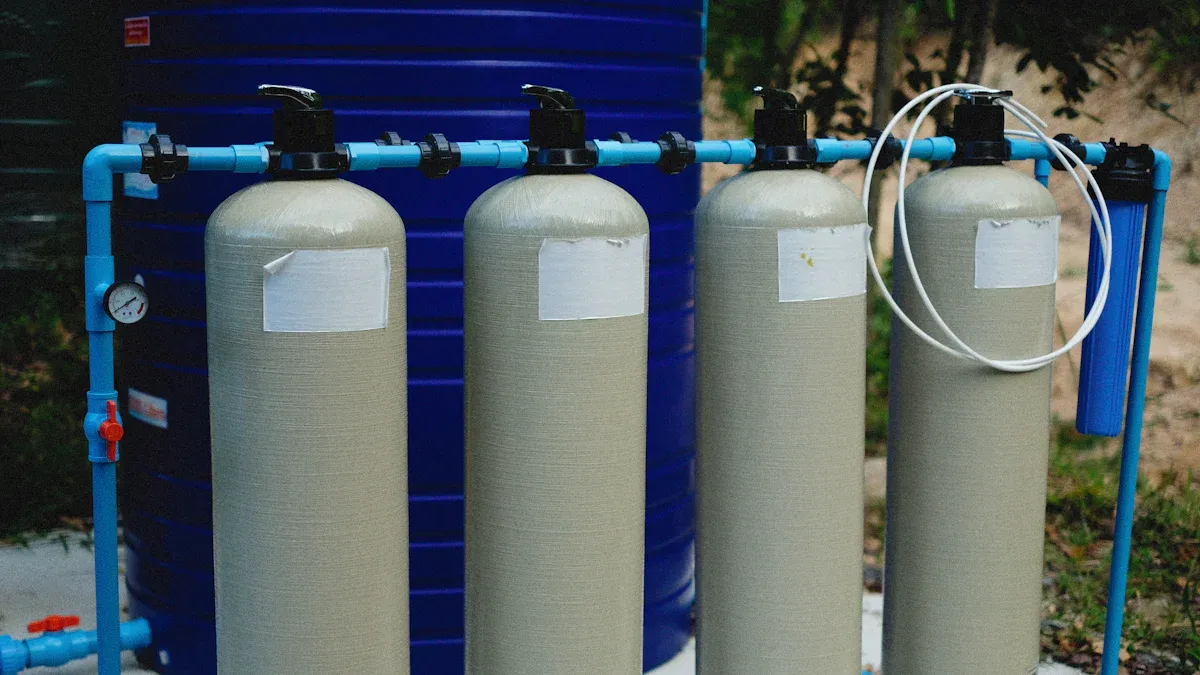
When I looked for a water purification system, I saw many choices. In Germany, people use reverse osmosis systems and tankless RO units. Some homes have whole-home water filtration systems. Many use a kitchen water filter under the sink. Alkaline water purifiers add minerals and make water less acidic. I also saw uv water purifiers that use light to kill germs. For camping, a backpacking water purifier or survival water purifier is useful. Some friends use water purifying tablets or a ceramic water purifier when they travel. If you worry about fluoride, you can get a water purifier that removes it.
Here’s a simple table with the main types:
Type | Best For |
|---|---|
Reverse Osmosis (RO) | Removing most contaminants |
Alkaline Water Purifier | Adding minerals, better taste |
UV Water Purifier | Killing bacteria and viruses |
Ceramic Water Purifier | Filtering dirt and bacteria |
Water Purifying Tablets | Emergency or travel use |
Whole-Home Filtration | All taps in the house |
Picking the best water purification system depends on what you need. I always check my water source and what I want to remove. If my kitchen water tastes strange, I use a filter for taste and smell. For hard water, I choose a system that softens it. If I want to protect my appliances, I look for a home water filtration system that stops limescale. I also think about how much space I have and if it is easy to install. Some systems, like a water purifier for kitchen sink, fit under the counter. If I travel, I bring a survival water purifier or water purifying tablets.
Here are some things I think about:
What is in my tap water? (minerals, chlorine, germs)
Do I want filtered water in just the kitchen or the whole home?
How much space do I have?
Do I want extra features, like Wi-Fi or mineral adding?
Tip: Always check if the system is safe and fits your daily life.
It is very important to keep my water filter clean. I change the filter every few months, depending on the type. For example, I replace carbon filters every 3-6 months. I change reverse osmosis filters every 6-12 months. If I live where water is hard, I check the filter more often. I clean the parts and look for leaks. If my water tastes different, I know it is time to change the filter. I only use parts from the maker to keep my in-home water purification safe.
Test your water once a year.
Clean and sterilize filter parts every 6 months.
Replace filters on time to keep water fresh.
Throw away old filters the right way to help the planet.
A clean water purification system helps me feel calm. It keeps my kitchen and home working well.
After living in Germany, I trust the drinking water here. It meets strict safety rules and tastes good in most places. Still, I see why some people use a water purifier. Some want better taste, extra health protection, or to keep appliances safe. Others care about the environment and want to avoid bottled water. I suggest checking your own needs:
Do you notice a strange taste or live in an old building?
Do you want extra peace of mind for your family’s drinking water?
Are you looking for ways to protect your health or save money long-term?
No single answer fits everyone. I encourage you to think about what matters most for your home and make the choice that feels right for you.
I drink tap water every day in Germany. It meets strict safety rules. Water companies test it often. I feel safe drinking it straight from the tap.
I use a water purifier for better taste and to protect my appliances. Most homes do not need one for safety. If you live in an old building or want extra peace of mind, a filter helps.
I use a water softener or a reverse osmosis system. These help remove minerals like calcium and magnesium. My appliances last longer, and I see fewer limescale spots.
I change my filter every 3 to 6 months. Some systems need new filters every year. I always check the instructions and set reminders so my water stays clean.
I stopped buying bottled water. Filtered tap water tastes just as good. I save money and help the planet by using less plastic. Filtered tap water works great for my family.


